Mkomazi National Park
Mkomazi National Park
The Mkomazi National Park is a magnificent, 3,245 square kilometre national park in northern Tanzania. Remote and initially inaccessible, it was established in 1951, but never attracted the financial support provided for the better known wildlife strongholds such as the Ngorongoro Conservation Area and the Serengeti National Parks. Only since 1989, when the Tanzanian Government re-examined the reserve’s status and designated it a National Priority Project, has its true significance and importance been recognized.
From 2021 the Rhino sanctuary can be visited by tourist.
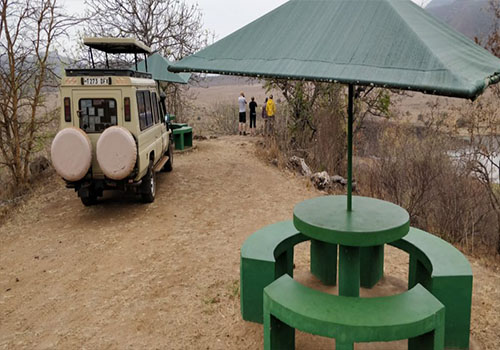
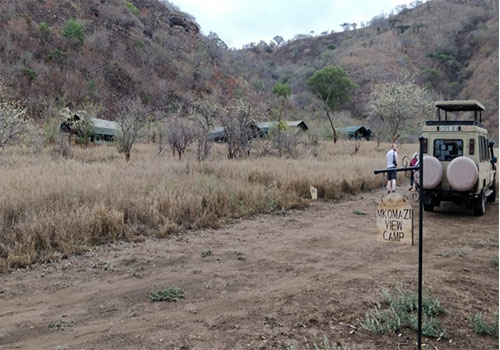
Nowadays it is good accessible. From MamboViewPoint it is only one and a half hour drive to the Kamakota entrance.
The Mkomazi National Park is a spectacular wilderness. Within sight to the northwest is Mount Kilimanjaro, Africa’s highest summit. To the south, the Pare and Usambara Mountains form a dramatic backdrop and, to the north, Kenya’s vast Tsavo National Park shares a border with Mkomazi, making common ground for migratory herds of elephant, oryx and zebra during the wet season. Together with Tsavo, it forms one of the largest and most important protected ecosystems on earth.
Mkomazi is the southern tip of the Sahel zone. It is a classic dry-country reserve of grey-green nyika bush, ancient baobab trees and isolated rocky hills. Elsewhere, the seas of bush give way to open savannah woodlands of umbrella acacias and mbugas – shallow valleys of grassland.
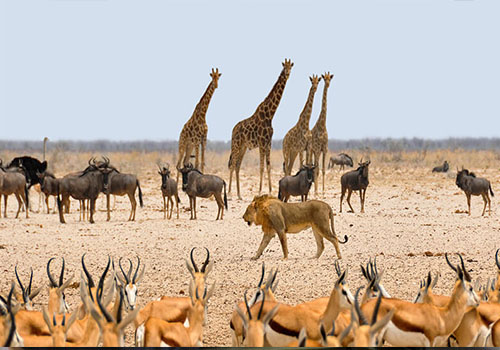
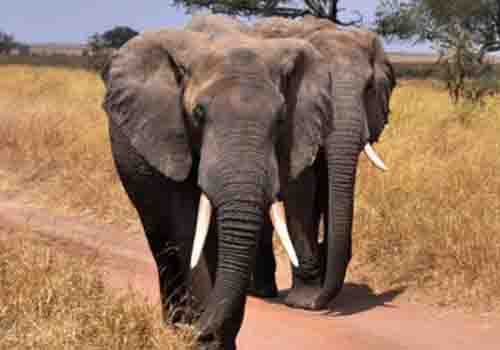
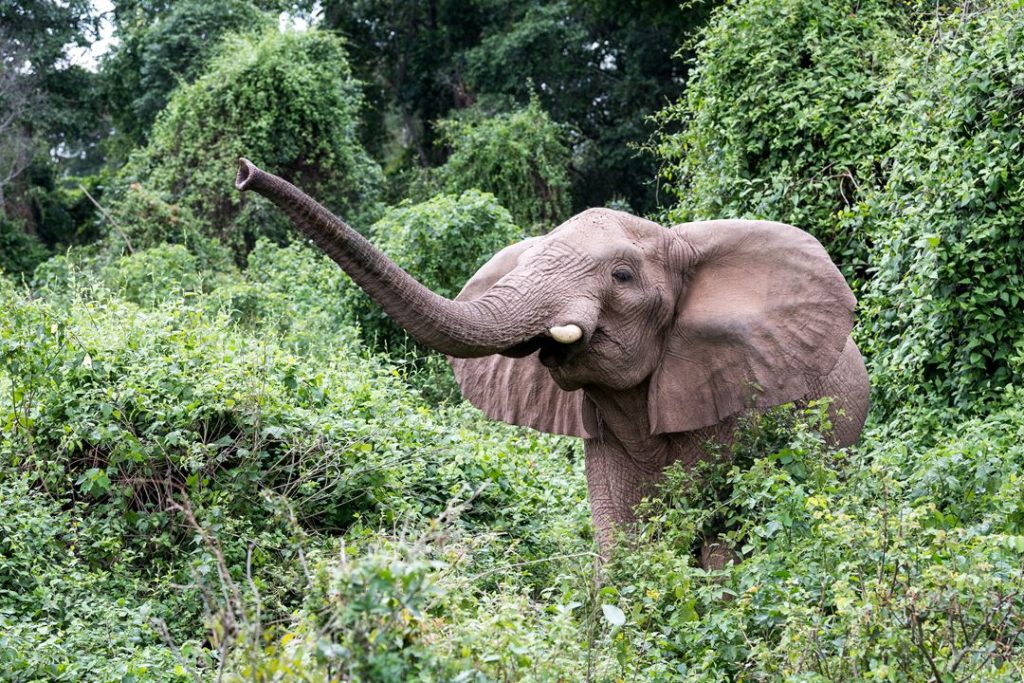
The animals, too, are typical of the arid nyika. Giraffe, oryx, gerenuk, hartebeest, lesser kudu, eland, impala and Grant’s gazelle share the reserve with elephant, buffalo, and numerous predators, including lion, leopard and cheetah. In all, 78 species of mammals have been recorded.
The birds of Mkomazi are even more numerous, with over 400 recorded species. Doves, hornbills, weavers and guinea-fowl are all present in large numbers – as well as such striking species as the martial eagle and violet wood-hoopoe.
Climate
The climate in Mkomazi National Park is usually dry and warm to hot. The hottest months are October to April, and the coolest months are May to September.
The Wet season consists of two rainy periods: the short rains (November to December) and the long rains (March to May), with a dry spell in between. Rains are frequent during the rainy season but generally do not last all day.
Getting there
The best way to get to Mkomazi National Park is by road from Moshi or Arusha town.
Most people fly into Kilimanjaro International Airport (JRO), which is situated between Arusha and Moshi. The 40km/25mi drive to Moshi takes about 1 hour* and the 50km/31mi drive to Arusha takes about 1½ hours*. It is also possible to fly into Julius Nyerere International Airport (DAR) in Dar es Salaam and fly on to Arusha Airport (ARK) or Kilimanjaro International Airport (JRO). In most cases, your tour operator will pick you up from the airport.
Mkomazi is right next to the small town of Same, which is a comfortable 112km/69mi drive south from Moshi. The drive from Moshi to the park takes between 2 and 2½ hours*. Mkomazi is a bit out of the way compared to most other parks in northern Tanzania, but it could be visited en route to the Usambara Mountains.
Attractions
The Park is gifted with variety of attractions ranging from wildlife inhabiting the wilderness to craters and mountain peaks.